Monday, December 16, 2019

Reduce, Reuse, Recycle?

All our lives people are taught to reduce, reuse, and recycle in order to save our environment and reduce our carbon footprint's.  This seems to be a false sense of reality because most of our world's plastics are dumped straight into landfills or our precious oceans and never actually recycled to be reused.  Companies produce a huge amount of plastic each year all for a single use which ends up harming our planet so much more in the long run.  Plastics are one of the largest causes of global warming, and something needs to change about our plastic industry.  It seems as though even when we do something that is supposed to be beneficial for our planet, there is always another catch which is just as detrimental and harmful to our planet than in the first place.
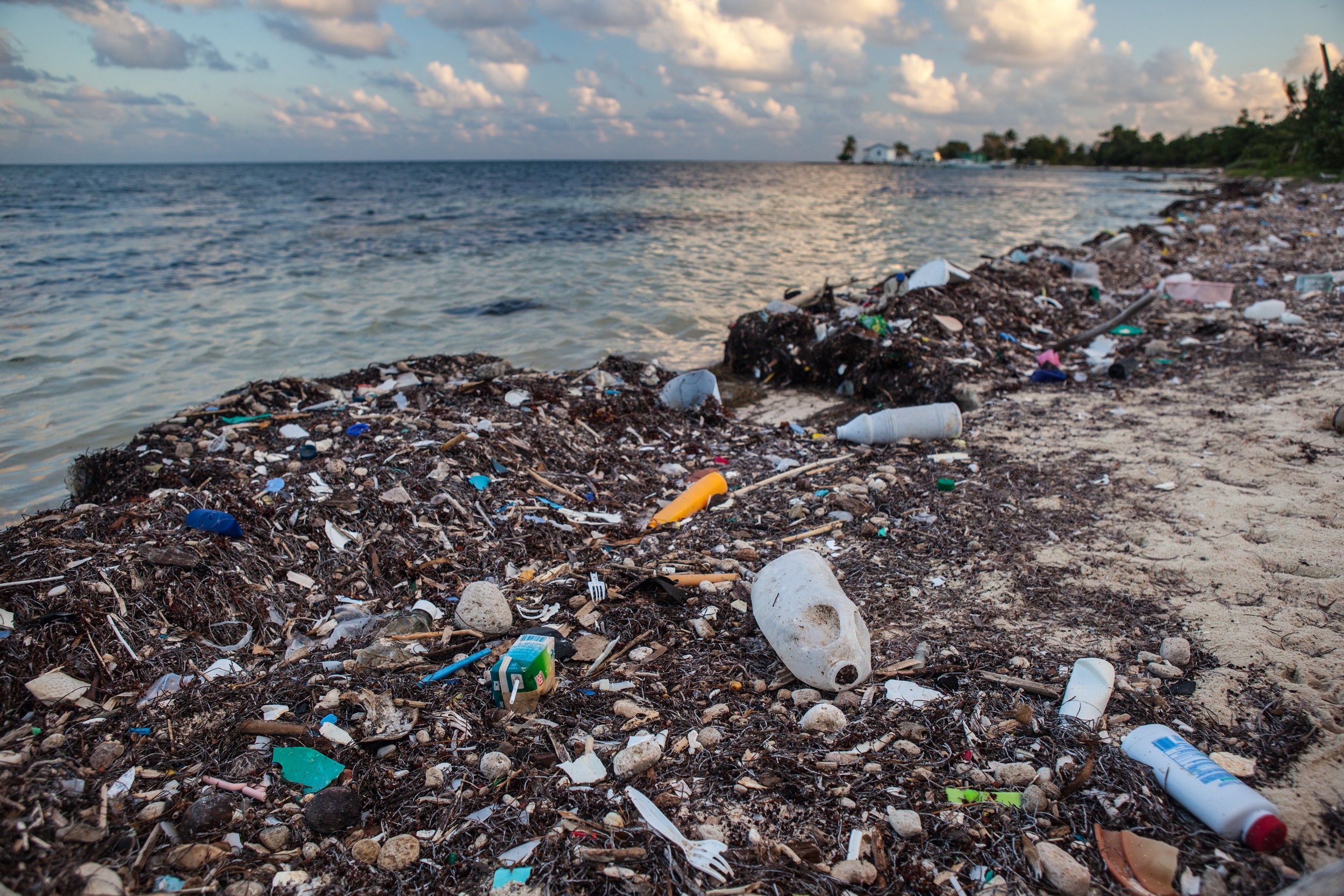
Image result for plastic in oceans
As You Sow
Recycling is a process where companies take single use plastics and turn it into something else that can be continuously re-used over and over again.  According to National Geographic, 300 million tons of plastic are created annually, with over 50% of them being for single-use purposes.  This is a crazy high number and even worse that they are for a one time use.  As stated by the Vice President of European Commissions, "single-use plastics take five seconds to produce, are used for five minutes, then take 500 years to break down again."  This statement could not be more true and it is sad to see how many people and how many innocent animals this negatively effects.  Each year, over 8 million metric tons of plastic end up in the ocean which is killing our ocean life and creating many dead zones (Parker).

Image result for single use plastic companies
Greenpeace
What types of plastics can be recycled then?  Well it is only 2 out of the 7 plastics that are recycled are actually used again whereas the rest ends up in landfills and oceans.  #1 and #5 plastics are the only ones considered for recyclables depending on the shape and size of the plastic.  According to the Mitte Team, an astounding 91% of the world's plastic is not recycled, yet no one seems to be talking about this and it's negative earth impacts.  I personally never knew this problem was so bad until I did the research and found the facts about our world's recycling industry.  Recycling is supposed to be beneficial to our world and yet the plastics still end up in the same landfills and ocean piles as if we threw it away in our garbage's in the first place.

Image result for plastics harming the environment national geographic
National Geographic
Overall the plastic industries are extremely harmful to our world, and it seems as though there is no hope in saving our planet.  The biggest thing we could do is not buy single use plastics in the first place.  That means no plastic bottles, no plastic bags, and no plastic straws.  These are all everyday use products but can easily be found in reusable form.  Other than that, we could set up protests encouraging recycling companies to use all types of plastics when recycling.  Also to protest against plastic creator companies to not make so many single use plastics, which ultimately just ends up harming our planet and killing many animals.  Let's stop plastics from ruining our planet before it's too late!

Sources
Cohen, Dianna. Plastic trash overwhelms beach at Freedom Island. As You Sow,
     July 2016, www.asyousow.org/our-work/waste/ocean-plastics. Accessed 16 Dec.
     2019.
Greenpeace. Top Brands That Were Found to Be Polluting the Oceans in a Beach
     Cleanup Activity. Eco-Business, 20 Apr. 2018, www.eco-business.com/news/
     what-are-the-worlds-biggest-plastic-polluters-doing-about-the-problem/.
     Accessed 16 Dec. 2019.
Parker, Laura. "A whopping 91% of plastic isn't recycled." National Geographic,
     20 Dec. 2018, www.nationalgeographic.com/news/2017/07/
     plastic-produced-recycling-waste-ocean-trash-debris-environment/. Accessed
     16 Dec. 2019.
The Truth about Recycling Plastics. 18 July 2018, mitte.co/2018/07/18/
     truth-recycling-plastic/. Accessed 16 Dec. 2019.

Sunday, December 8, 2019

Water Contamination Here and There

Water; it's a resource every person and animal needs to survive and function properly.  It is known that the human brain is made up of 70% water.  Most people are dehydrated all the time and it effects mental focus, energy levels. and athletic performance.  Why don't people hydrate themselves with clean refreshing water at all times if it truly makes that much of an impact on their bodies?  It's because clean water availability is at an all time low and it's scary what is in store for the near future for human life.

Image result for dirty drinking water in nh
Barcroft
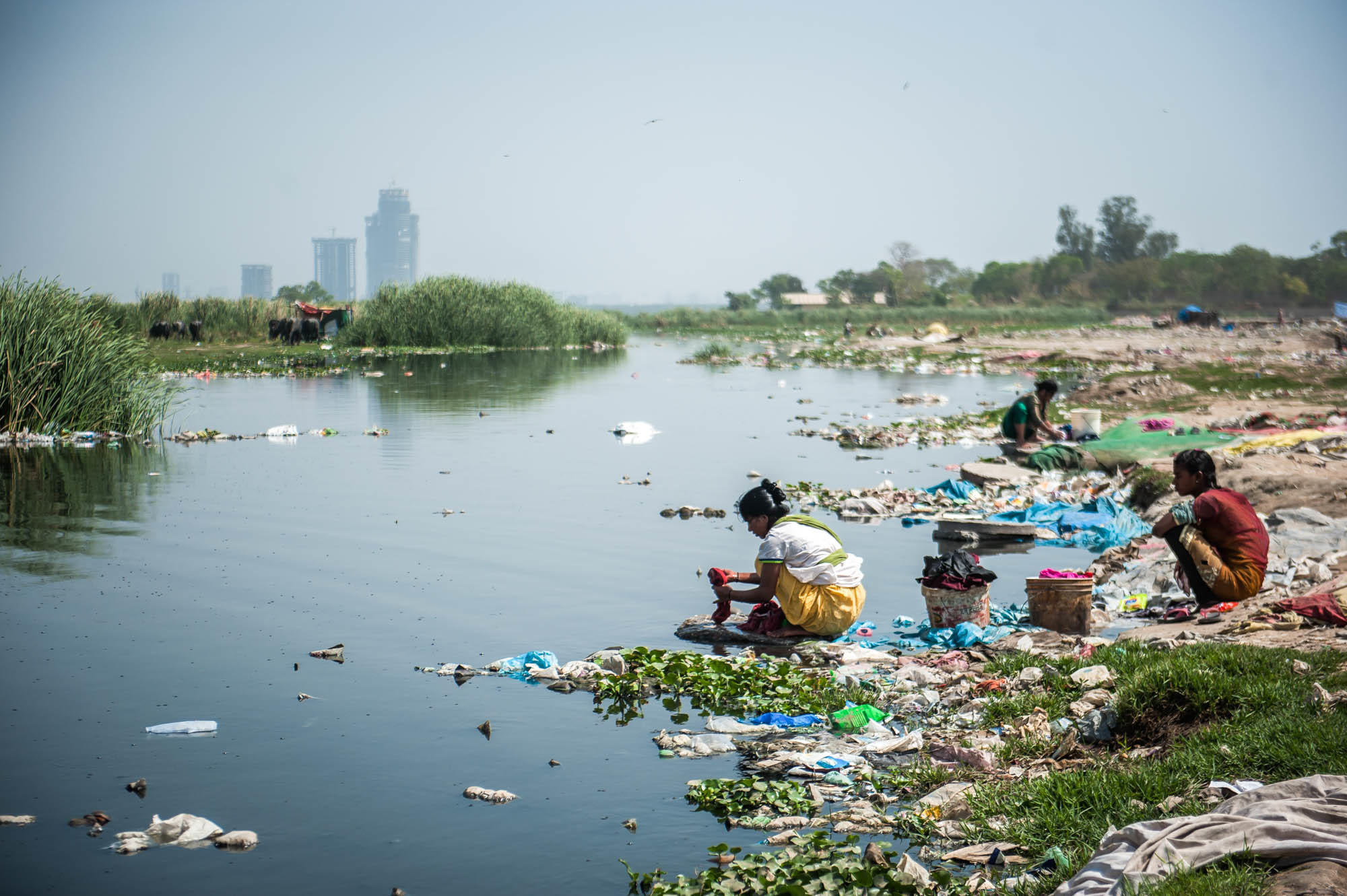
Water contamination is an issue that everyone deals with.  According to New Hampshire's department of public health, 1 in 5 households contain arsenic, which is a known carcinogen.  This isn't even including other chemicals found in water such as lead, fluoride, or chromium which could have extremely negative health effects on human bodies.  Many people in New Hampshire have to use special water filters just to hydrate their bodies, and you can imagine the struggle for low income households to obtain clean water.  Water contamination is a global issue, and not just some local obstacle to climb over.

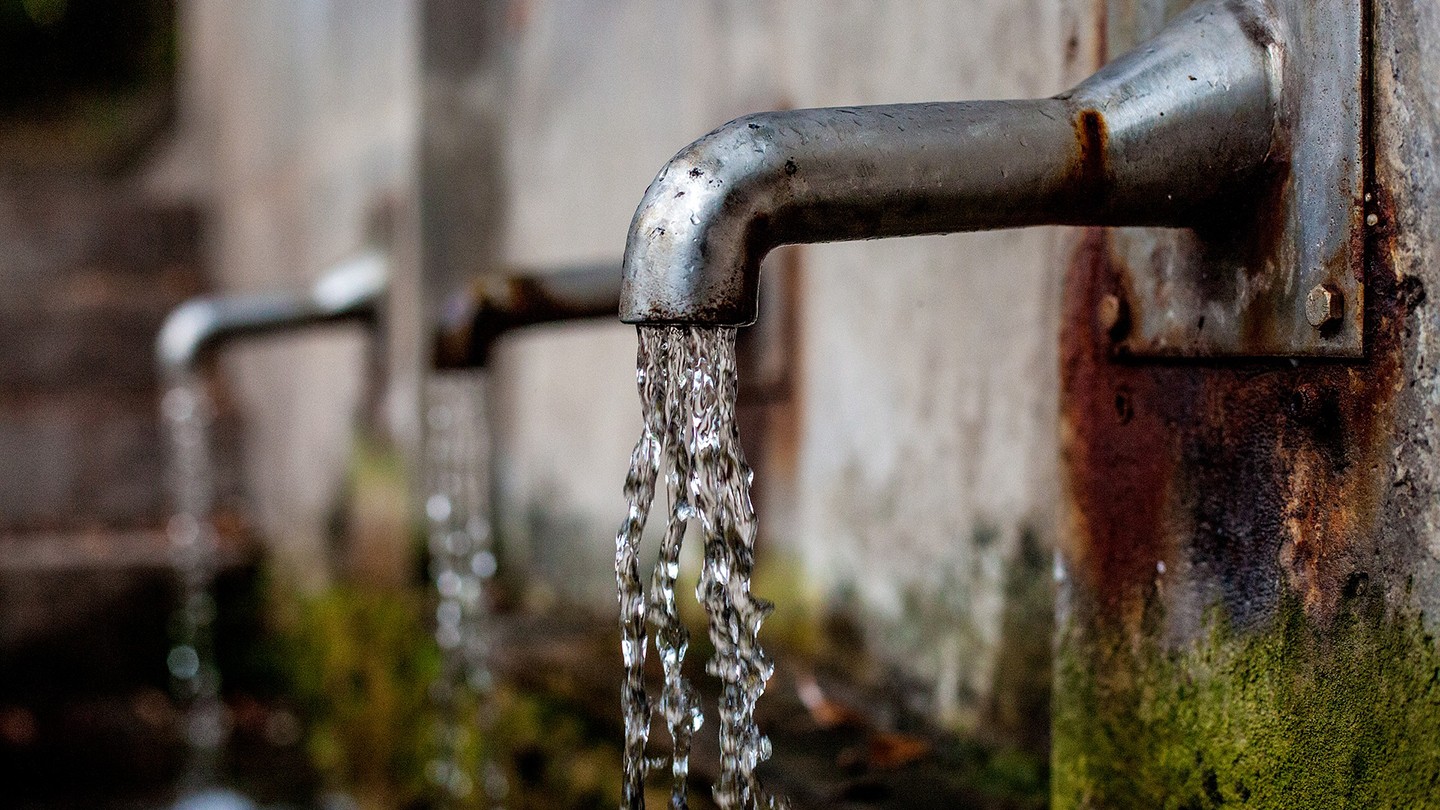
Image result for chemicals in water
Water Treatment
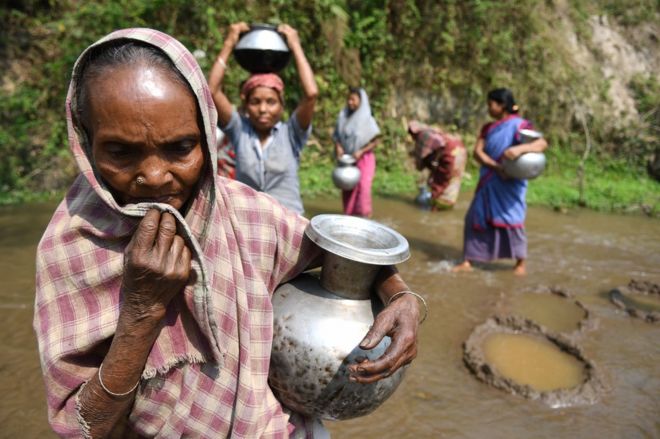
India is a country that is severely struggling with contaminated water, and many people are dying and obtaining diseases due to drinking dirty water.  According to The Berkey, "163 million Indian citizens need access to safe drinking water."  This means many people have to travel daily many miles to a water tank to fill up containers of clean water just to live.  This is no way to live and it's sad that so many people can't find clean drinking water when it's such a key necessity to everyday life.  The Berkey states that, "India may end up with 50% water inadequacy by 2030", if humans continue to put so many chemicals into their own drinking water.  This means half of the water on India won't be drinkable in 9 years or so.  That is crazy how we can waste such a valuable resource in such a short time, and something needs to change quickly.

Image result for dirty drinking water in india
Getty Images
Water contamination is a human cause and we can only blame ourselves.  Industrial waste being dumped into our clean water, and deforestation which causes chemicals and unsafe bacteria to enter the nearby water sources.  Arsenic, radium, and nitrate are just some of the dangerous chemicals found in water due to our waste and these are extremely harmful chemicals to ingest.  Using special water filters can drastically help clean the water from our homes, but globally the only thing we can do is stop contaminating our water.  Reducing our carbon footprints, and watching the amount of waste we are putting in unregulated places.  Let's stop contaminating our world's water supply before it's impossible to obtain a clean, refreshing glass of water!

Sources
Barcroft Media. The Yamuna River. NHPR, 8 June 2017, www.nhpr.org/post/
     if-you-see-dirty-water-dont-just-gripe-talk-cloud#stream/0. Accessed 8 Dec.
     2019.
Drinking Water. 20 Mar. 2018, www.nh.gov/epht/environmental-topics/
     drinking-water.htm. Accessed 8 Dec. 2019.
Facts about Water Crisis in India. 2019, theberkey.com/blogs/water-filter/
     facts-of-about-water-crisis-in-india. Accessed 8 Dec. 2019.
Getty Images. India Water Crisis. BBC News, 15 June 2018, www.bbc.com/news/
     world-asia-india-44492994. Accessed 8 Dec. 2019.
Water Treatment. Johns Hopkins College, 2 May 2018, hub.jhu.edu/2018/05/02/
     water-treatment-generates-harmful-chemicals/. Accessed 8 Dec. 2019.

Monday, November 25, 2019

How long is our planet truly habitable?

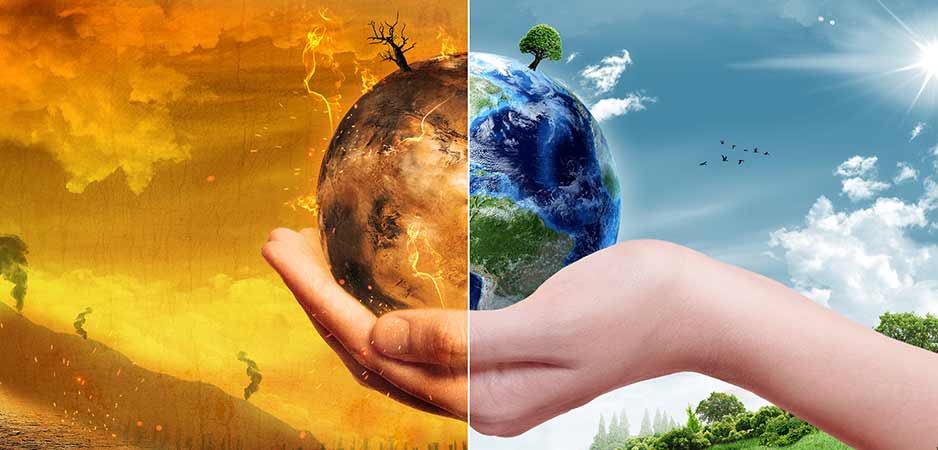
Our planet is a remarkable place.  It is home to billions of humans and animals, and everyone is happy to be living here.  Mother nature has done nothing but benefit us, yet we treat her poorly and pollute our planet at a very drastic rate.  If we don't take care of our world and keep emitting greenhouse gases at the astronomic rate we do, our planet won't be habitable to humans for much longer.

According to USA Today, "these past five years have been the warmest since record keeping began in the 1800's."  This is a horrible sign and it shows that global warming truly is happening.  Ice glaciers in Alaska are melting, coral reefs are dying after thousands of years of thriving in the ocean, and many species of animals are becoming endangered, while people are sitting back and contributing to the pollution.  Our greenhouse gas emissions through these past years are at an all time high which is ruining our ozone and planet.  Fossil fuel companies, single use plastic companies, and the meat and dairy industry are all top contributors to this disaster, and it seems they only care about making a profit compared to saving our planet.


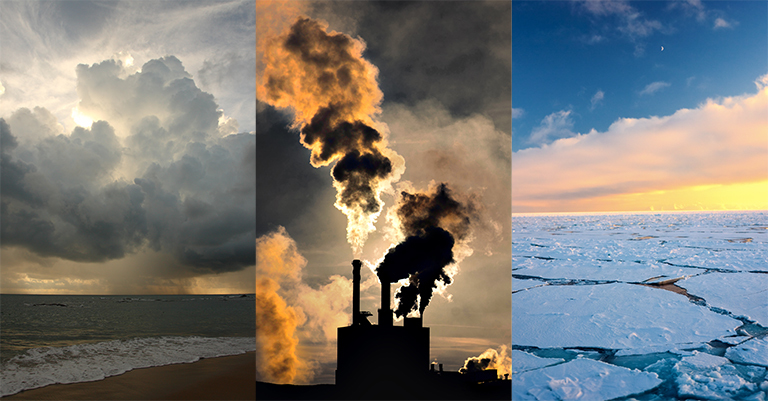
Image result for global warming
Global Climate Change
Global warming is also costing our countries tax payers a large sum of money.  According to USA Today, global warming "has costed the nation at least $91 billion dollars in 2018."  This is all in efforts to help clean up the mess that we have made of our planet and try to preserve it's beauty.  So in order to live on a habitable planet and keep money in our pockets, there needs to be drastic changes in people's everyday lives.


Image result for global warming money
Quadrant Online
Simple actions can be taken everyday to reduce our carbon footprint such as recycling plastics, not littering, and using public forms of transportation.  These are just simple things that truly make a difference in reducing carbon emissions into our environment.  Buying an electric car, using solar panels as a form of energy for your home, and even turning to a plant based diet are more drastic changes you can make but they can save our planet and benefit the needy in third world countries.  There is hope to change our polluted planet and reverse global warming with certain efforts that everyone is capable of doing.  Let's change our actions and save the planet before it's too late!


Image result for things people can do to reduce their carbon footprint
New York Times


Sources
Global Climate Change. 3 Nov. 2019, climate.nasa.gov/resources/
global-warming-vs-climate-change/. Accessed 25 Nov. 2019.

New York Times. www.nytimes.com/guides/year-of-living-better/
how-to-reduce-your-carbon-footprint. Accessed 25 Nov. 2019.

Quadrant Online. 7 July 2018, quadrant.org.au/global-warming/. Accessed 25 Nov.
2019.

USA Today. 21 Apr. 2019, www.usatoday.com/story/news/nation/2019/04/21/
earth-day-2019-climate-change-humans-global-warming-weather-rising-water/
3507125002/. Accessed 25 Nov. 2019.

Friday, November 15, 2019

Vegan Diets and Their Environmental Benefits


Our world is dealing with drastic climate change.  Our greenhouse gas and especially carbon levels emitted have sky rocketed in these past few years.  Our planet is emitting multiple gigatons of carbon each year, and we as people need to make a few little changes in our everyday lives to slow down or even stop global warming.


Image result for global warming
Parabol Studio

Many people think they have to join huge support groups, or donate lots of money to help the cause but that is not always true.  There are many things you can do to help reduce carbon emissions such as riding your bike to work, using solar panels for your source of power in your home, and one that I have recently adopted a different diet; veganism.


Veganism is a food plan where there are no animals or animal byproducts are consumed in any meals throughout the day.  There is lots of skepticism around the topic, but I can personally say it is extremely beneficial.  I have been feeling much better, falling asleep much easier, and have seen a drastic increase in my athletic performance and recovery times decreased.  This diet not only effects your health in a positive way, but a vegan diet also help reduce greenhouse emissions.

Image result for vegan diet environmental impact
Vegan for the Planet

According to OMD Planet, "livestock farming produces from 20%-50% of all man-made greenhouse gas emissions."  Making it the second leading cause of greenhouse gas emissions in the world right behind the fossil fuel industry.  This is destroying our planet, and just even one meal a day can make a drastic change on greenhouse gas emissions.  Many organizations are getting behind this movement and creating many cookbook and recipe options making vegan meals delicious!  Foods don't always have to have meat in them to be delicious and very nutrient dense for our bodies.

A vegan diet also can save many people from starving around the world.  According to OMD Planet, it takes over 1,600 gallons of water to make a single 1/4 oz burger, which could easily be used by struggling third world countries.  Plant based eating could supply 30% more food to the world's population, which would save many people's lives and benefit the needy (ABC News).  A vegan plant based diet is beneficial to your personal health, feeding the starving world, and reducing greenhouse gas emissions which could ultimately end global warming and save our precious planet.


Image result for starving children
Good Shepherd Church

Sources
Good Shepherd Church. Feed My Starving Children. Lutheran Church, 2016,
     goodshepherdlutheran.com/fmsc-help/. Accessed 15 Nov. 2019.

Nourish NC. Vegan for the Planet! Vegan for the Planet, 26 Aug. 2018,     nourishcharlotte.com/blogs/news/
     vegan-for-the-planet-the-animals-and-our-fellow-humans. Accessed 15 Nov.
     2019.

OMD, LLC. "One Meal a Day for the Planet." One Meal a Day, 2019,
     omdfortheplanet.com/. Accessed 15 Nov. 2019.

ParabolStudio. Climate Change and the World in 2051. The World after Climate
     Change , 22 July 2019, www.fairobserver.com/more/environment/
     climate-change-environmental-news-global-warming-latest-world-news-47902/.
     Accessed 15 Nov. 2019.

What You Can Do to Help Prevent Climate Change, According to Experts. ABC News,
     28 Sept. 2019, abcnews.go.com/US/prevent-climate-change-experts/
     story?id=65721423. Accessed 15 Nov. 2019.

Reduce, Reuse, Recycle?

All our lives people are taught to reduce, reuse, and recycle in order to save our environment and reduce our carbon footprint's.  This ...